
Die Casting Temperature: A Complete Guide to Temperature Control in Aluminum Die Casting
Temperature control is one of the most critical factors in aluminum die casting. It directly affects molten metal flow, mold performance, casting quality, production efficiency, and tooling life. Proper temperature management ensures that aluminum fills the mold completely, solidifies correctly, and produces parts with excellent mechanical properties and surface quality.
Inconsistent temperature control can lead to common casting defects such as porosity, shrinkage, cold shuts, incomplete filling, and premature mold failure. Therefore, controlling the temperature of molten aluminum, molds, and cooling systems is essential for achieving stable and reliable die casting production.
Why Temperature Is Important in Die Casting
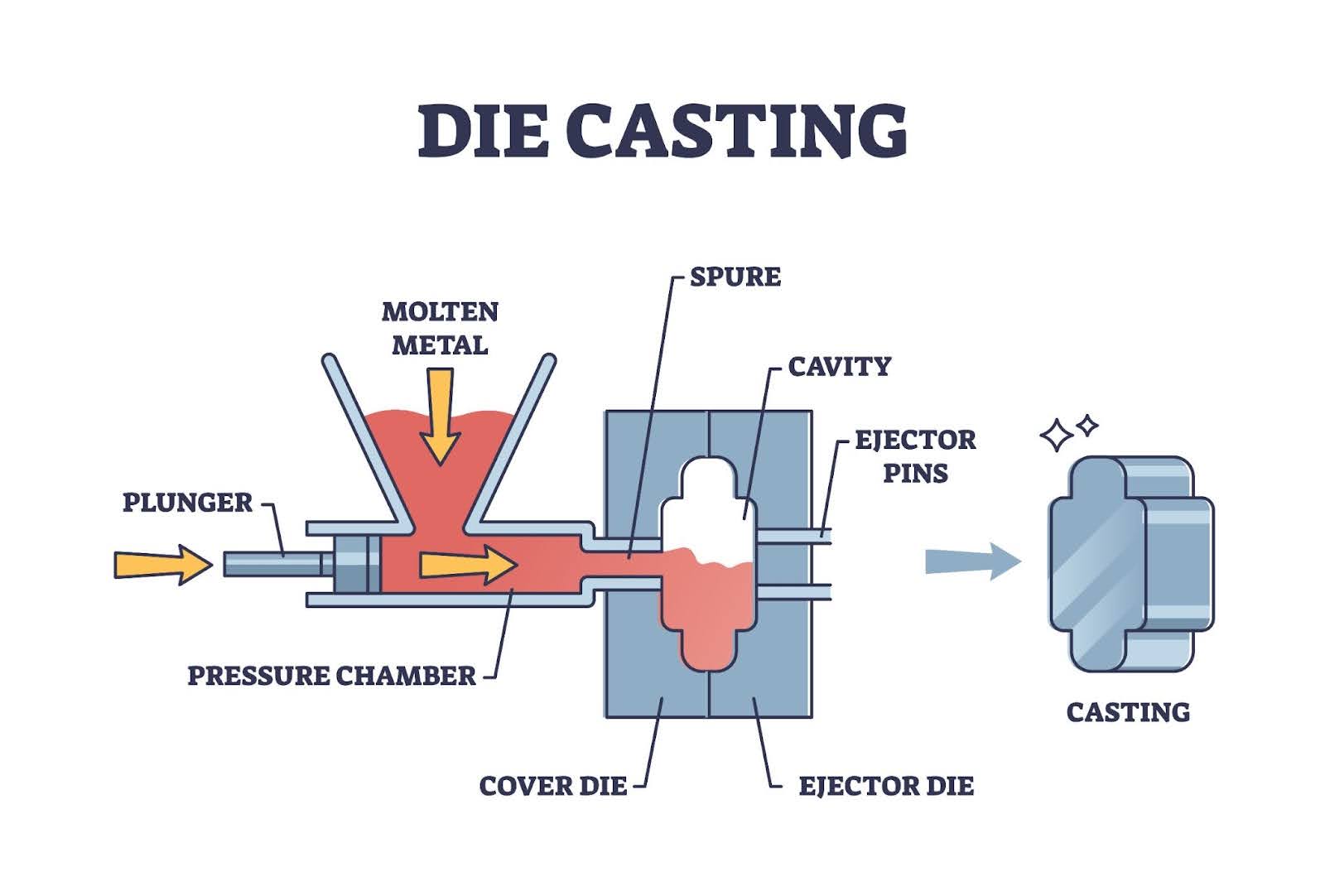
During the aluminum die casting process, molten aluminum is injected into a steel mold cavity at high speed and pressure. The metal must remain fluid enough to fill all areas of the mold before solidification begins. At the same time, the mold temperature must be controlled to ensure proper cooling and dimensional stability.
Temperature affects:
Metal fluidity and filling performance
Solidification speed
Internal structure and strength
Surface finish quality
Mold durability
Production cycle time
Maintaining the correct temperature balance helps manufacturers produce high-quality components with fewer defects and lower production costs.
Key Temperature Factors in Aluminum Die Casting
1. Molten Aluminum Temperature
The temperature of molten aluminum is one of the most important parameters in die casting. Aluminum alloys typically melt between approximately 600°C and 660°C, while casting temperatures are usually higher to maintain proper fluidity during injection.
If molten aluminum temperature is too low:
The metal may not flow smoothly
Thin sections may not fill completely
Cold shuts and misruns may occur
Surface quality may decrease
If molten aluminum temperature is too high:
Oxidation increases
Gas absorption may cause porosity
Mold wear accelerates
Energy consumption increases
The ideal temperature depends on the aluminum alloy, part design, wall thickness, and casting requirements. Professional manufacturers carefully monitor and adjust melt temperatures to achieve consistent results.
2. Die Mold Temperature
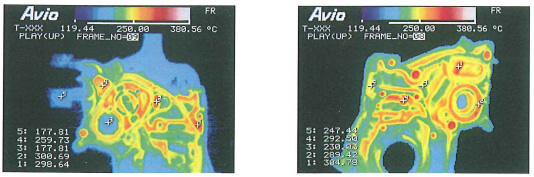
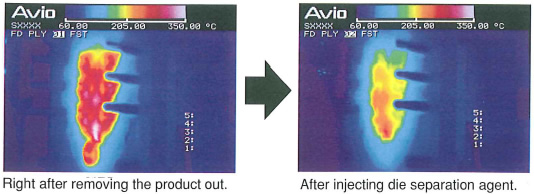
The mold temperature has a major influence on casting quality and production efficiency. Before casting begins, the die must be heated to an appropriate operating temperature to prevent thermal shock and improve metal flow.
For aluminum die casting, mold temperatures are commonly controlled within a range of approximately 200°C to 280°C, depending on the application.
A mold temperature that is too low may cause:
Poor filling ability
Premature solidification
Surface defects
Incomplete casting
A mold temperature that is too high may result in:
Longer cooling cycles
Reduced productivity
Excessive thermal stress
Shorter mold lifespan
A properly controlled mold temperature improves casting consistency, surface finish, and dimensional accuracy.
3. Injection Temperature and Filling Conditions
During high-pressure die casting, molten aluminum is injected into the mold at high speed. The temperature of the metal during this stage affects its ability to fill complex cavities and thin-wall sections.
Higher temperatures improve metal fluidity and help fill complicated geometries. However, excessive temperatures may increase turbulence, oxidation, and gas entrapment.
The best results are achieved by balancing:
Metal temperature
Injection speed
Injection pressure
Mold temperature
Proper process optimization ensures complete filling while minimizing defects.
4. Cooling Temperature and Solidification
After the mold cavity is filled, the aluminum casting begins to cool and solidify. The cooling rate directly affects the final structure and performance of the part.
Controlled cooling helps improve:
Mechanical strength
Dimensional stability
Surface quality
Cycle efficiency
Modern die casting molds often use optimized cooling channels to maintain consistent temperatures during continuous production.
Common Problems Caused by Incorrect Temperature Control
Porosity
Porosity occurs when gas becomes trapped inside the aluminum casting. Excessive melt temperatures can increase hydrogen absorption and oxidation, leading to internal voids.
Solutions include:
Maintaining proper melt temperature
Using effective degassing methods
Improving mold venting
Optimizing injection parameters
Shrinkage Defects
Aluminum naturally contracts during solidification. Poor temperature control can create uneven cooling, resulting in shrinkage cavities.
Common causes include:
Excessive heat concentration
Poor cooling design
Incorrect casting temperature
Improved temperature management and mold design can reduce shrinkage defects.
Cold Shuts and Incomplete Filling
If molten aluminum cools too quickly before filling the mold cavity, cold shuts or incomplete castings may occur.
Possible causes include:
Low molten metal temperature
Cold mold temperature
Incorrect injection speed
Maintaining proper temperature conditions allows aluminum to flow smoothly and completely fill the mold.
Reduced Mold Life
Die casting molds experience repeated heating and cooling cycles. Excessive temperature fluctuations create thermal stress, which can lead to:
Cracks
Surface erosion
Thermal fatigue
Shorter tooling life
Balanced heating and cooling help extend mold durability and reduce maintenance costs.
Temperature Control Methods in Die Casting
Furnace Temperature Control
Stable furnace temperature is essential for maintaining molten aluminum quality.
Key controls include:
Accurate temperature monitoring
Alloy composition checks
Proper holding time
Oxidation prevention
Consistent furnace management ensures stable material performance during production.
Mold Heating Systems
Before production, molds are heated to reach the required operating temperature.
Common heating methods include:
Electric heating
Gas heating
Thermal oil circulation
Proper mold preheating improves filling performance and reduces early-stage defects.
Cooling Systems
Cooling systems maintain mold temperature during continuous operation.
Common cooling methods include:
Water channels
Oil circulation systems
Temperature-controlled cooling units
Efficient cooling improves cycle time, product quality, and mold performance.
Real-Time Temperature Monitoring
Modern die casting factories increasingly use automated monitoring systems to control temperature throughout production.
Sensors and smart control systems can monitor:
Molten metal temperature
Mold temperature
Cooling performance
Machine operation conditions
Real-time data helps manufacturers quickly identify problems and optimize production parameters.
Temperature Considerations for Different Aluminum Alloys
Different aluminum alloys require different temperature settings due to variations in chemical composition and casting performance.
A380 Aluminum Alloy
A380 is one of the most commonly used die casting alloys because of its excellent castability, strength, and dimensional stability. It is widely used for automotive, industrial, and electronic components.
ADC12 Aluminum Alloy
ADC12 provides good fluidity, corrosion resistance, and cost efficiency, making it popular for mechanical parts and housings.
A356 Aluminum Alloy
A356 offers higher strength and corrosion resistance and is often selected for structural and performance-focused applications.
Selecting the correct alloy and optimizing its temperature range are essential for achieving the desired product performance.
The Role of Automation in Temperature Control
With the development of Industry 4.0, automated temperature control has become increasingly important in modern die casting factories.
Advanced systems use:
PLC controllers
Temperature sensors
Automated cooling systems
Data analysis platforms
These technologies improve process stability, reduce human error, and help maintain consistent product quality.
Automation also enables predictive maintenance by identifying temperature-related problems before they cause production downtime.
Conclusion
Temperature control plays a vital role in aluminum die casting quality and efficiency. From molten metal preparation to mold heating and cooling, every temperature parameter influences the final performance of the casting.
Proper temperature management helps prevent defects, improve surface quality, extend mold life, and reduce production costs. By combining advanced temperature monitoring systems, optimized processes, and experienced engineering support, manufacturers can achieve stable, high-quality aluminum die casting production for demanding applications such as automotive, electronics, and industrial equipment.
Dongrun Casting has 20000 square meters of facility houses and 200 production & test equipment, From quotation and tooling design to casting and finished machining, we can work with you at every stage. We serve a wide range of industries-from Fortune 500 corporations to small and midsize OEMs. Our products include Automotive&trucking, Electric Utility & Communications, Metering Systems, the Hydraulic Industry, Medical Devices, Lighting, Fuel and Gas Pressure, and Furniture parts.
More Details: www.dongruncasting.com