
Anodizing is an electrochemical surface treatment process that enhances the natural oxide layer on aluminum parts. By creating a controlled aluminum oxide coating, anodizing improves corrosion resistance, wear resistance, surface hardness, and overall appearance. Unlike paint or plating, the anodized layer is formed directly from the aluminum substrate, providing excellent durability and preventing peeling or flaking. 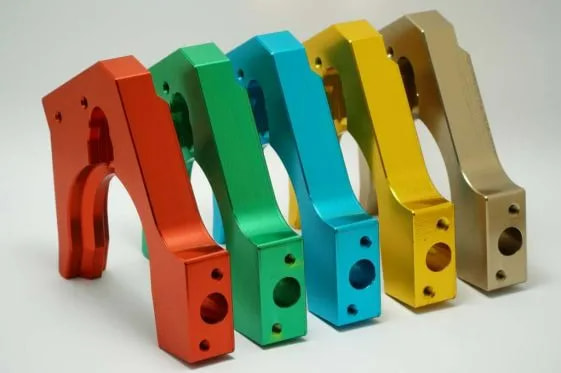
What Is Aluminum Anodizing?
During anodizing, aluminum components are immersed in an electrolyte solution and connected as the anode in an electrical circuit. The electric current causes oxygen ions to react with the aluminum surface, forming a protective aluminum oxide layer. This integrated coating improves the part’s mechanical performance while allowing additional finishes such as coloring and sealing.
Aluminum is one of the most widely used materials for anodizing due to its ability to form a stable and durable oxide layer. Anodized aluminum is commonly used in automotive parts, aerospace components, industrial equipment, electronics, and consumer products.
Aluminum Anodizing Process Steps
1. Cleaning and Surface Preparation
Before anodizing, aluminum parts are cleaned to remove oil, grease, dust, and surface contaminants. Proper preparation ensures a uniform anodized finish and improves coating quality.
2. Etching and Surface Treatment
The aluminum surface may undergo chemical etching or mechanical finishing to achieve the desired texture, such as a matte or satin appearance.
3. Electrolytic Anodizing
The prepared aluminum parts are placed into an acid electrolyte bath. When direct current is applied, an aluminum oxide layer gradually forms on the surface. The thickness and properties of the coating can be controlled by adjusting voltage, temperature, current density, and processing time.
Because anodized aluminum has a porous oxide structure, dyes can be absorbed into the coating to create different colors, including black, bronze, gold, and custom finishes.
5. Sealing
After anodizing and coloring, the surface is sealed to close the pores of the oxide layer, improving corrosion resistance and long-term durability.
Types of Aluminum Anodizing
Type II Anodizing (Sulfuric Acid Anodizing)
Type II is the most common anodizing method. It provides good corrosion resistance, decorative finishes, and excellent paint or adhesive bonding performance. It is widely used for industrial components, electronics, and consumer products.
Type III Hardcoat Anodizing
Hardcoat anodizing creates a thicker and harder oxide layer with superior abrasion resistance. It is ideal for components exposed to heavy wear, harsh environments, or frequent mechanical contact.
Benefits of Anodized Aluminum
Enhanced Corrosion Resistance
The anodized oxide layer protects aluminum surfaces from moisture, chemicals, and environmental exposure.
Improved Wear Resistance
Hard anodized coatings provide a durable surface that withstands scratches, friction, and mechanical wear.
Lightweight and Durable Finish
Anodizing maintains aluminum’s lightweight properties while improving surface performance.
Excellent Appearance
Anodized aluminum offers a premium metallic finish with options for different colors and textures.
Environmentally Friendly
The anodized coating is chemically stable, non-toxic, and forms an integral part of the aluminum surface
Applications of Anodized Aluminum
Anodized aluminum is widely used in:
Automotive components
Electric vehicle parts
Aerospace structures
Industrial machinery
Robot and automation equipment
Electronics housings
Outdoor equipment
Architectural applications
For precision aluminum components, anodizing is often combined with CNC machining, die casting, extrusion, and other manufacturing processes to achieve both functional performance and high-quality appearance.
Design Considerations
When designing aluminum parts for anodizing, engineers should consider:
Material selection, as different aluminum alloys may produce different anodizing results
Dimensional changes caused by oxide layer growth
Contact points required for electrical conductivity during processing
Surface finish requirements before anodizing
Proper material selection and process control help achieve consistent color, thickness, and performance
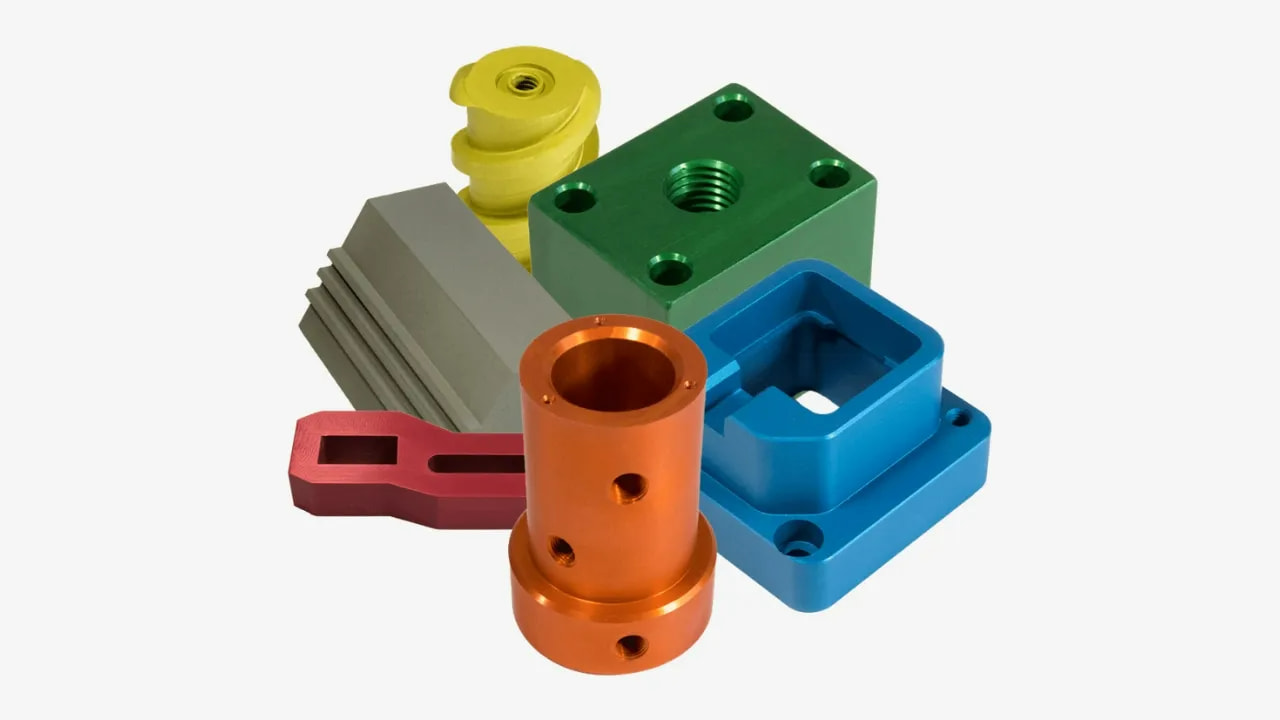
Dongrun Casting has 20000 square meters of facility houses and 200 production & test equipment, From quotation and tooling design to casting and finished machining, we can work with you at every stage. We serve a wide range of industries-from Fortune 500 corporations to small and midsize OEMs. Our products include Automotive&trucking, Electric Utility & Communications, Metering Systems, the Hydraulic Industry, Medical Devices, Lighting, Fuel and Gas Pressure, and Furniture parts.
More Details: www.dongruncasting.com