
Gravity die casting (GDC), also known as permanent mold casting, is a metal casting process in which molten metal is poured into a reusable metallic mold under the influence of gravity alone. Unlike high-pressure die casting, no external force is applied to fill the cavity; instead, controlled pouring and gravity-driven flow govern mold filling.
This process is widely used for non-ferrous alloys such as aluminum, magnesium, zinc, and copper-based materials, particularly in applications requiring a balance of mechanical strength, dimensional accuracy, and surface quality.
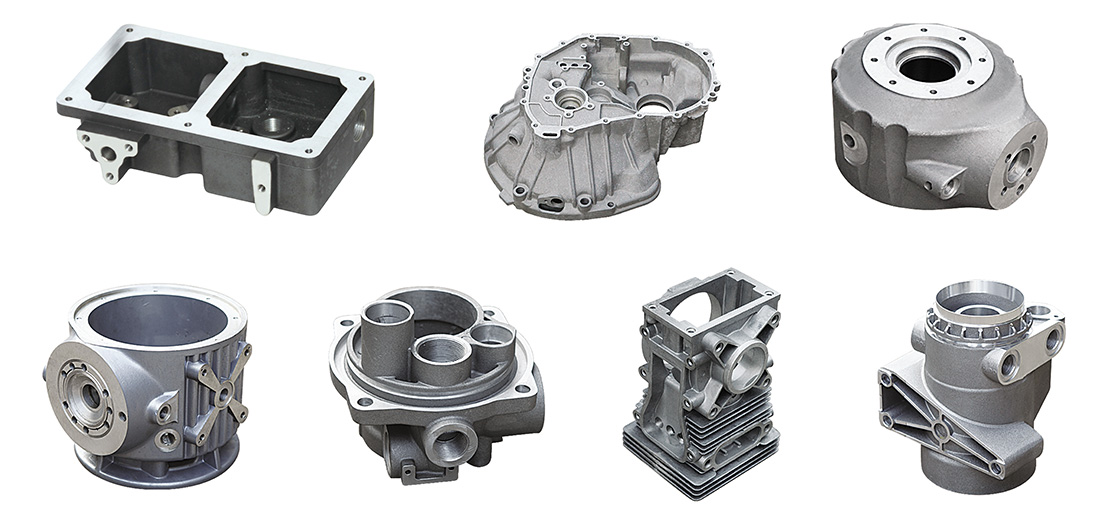
1. Process Principle and Metallurgical Basis
The fundamental principle of gravity die casting relies on gravity-fed metal flow into a thermally conductive steel or cast iron mold. The metal solidifies rapidly upon contact with the mold surface, resulting in directional heat extraction and refined grain structure.
Key metallurgical effects include:
Rapid solidification → fine dendritic microstructure
Reduced porosity compared to sand casting
Improved tensile strength and fatigue resistance
Enhanced surface integrity due to smooth mold walls
The permanent mold acts as a heat sink, enabling controlled solidification rates that significantly influence final mechanical properties.
2. Gravity Die Casting Process Flow
2.1 Mold Preparation and Preheating
Before casting, the metallic die is:
Preheated (typically 150–300°C depending on alloy) to reduce thermal shock
Coated with a refractory die release agent (graphite-based or ceramic coating)
Prepared to control heat transfer and prevent soldering or sticking
The coating also regulates cooling rate and improves casting surface finish.
2.2 Mold Assembly and Core Placement
The mold consists of two or more precision-machined halves made from tool steel or cast iron. Where internal cavities are required, sand cores or metal cores are inserted prior to closure.
The mold is then clamped under mechanical or hydraulic force to ensure alignment and prevent leakage during pouring.
2.3 Metal Melting and Pouring
Molten metal is prepared in a furnace and transferred to a ladle. The metal is then poured into the mold cavity via a gating system.
Common design features include:
Bottom gating systems to reduce turbulence
Controlled flow channels to minimize air entrapment
Overflow wells and risers for defect control
Gravity-driven filling ensures smooth flow and reduces oxidation and gas entrapment compared to turbulent filling systems.
2.4 Solidification and Thermal Control
Once inside the mold, the molten metal solidifies due to rapid heat extraction through the metallic die walls.
Key characteristics:
Directional solidification from mold wall inward
Fine grain structure due to rapid cooling
Reduced shrinkage porosity when properly fed
Cooling rate is a critical parameter influencing mechanical strength, hardness, and dimensional stability.
2.5 Mold Opening and Part Ejection
After solidification, the mold is opened and the casting is ejected using mechanical ejector pins or manual removal. Excess material such as runners, gates, and risers is trimmed.
Post-processing may include:
Heat treatment (T6 for aluminum alloys)
Machining for tight tolerances
Surface finishing or coating
3. Materials Used in Gravity Die Casting
Gravity die casting is optimized for non-ferrous alloys with relatively low melting points:
Aluminum alloys (most widely used)
Magnesium alloys (lightweight structural applications)
Zinc alloys (high fluidity, thin-wall parts)
Copper alloys (high strength and corrosion resistance)
Aluminum alloys dominate due to their balance of castability, strength, and cost efficiency.
4. Mold Design Considerations
Die design is a critical factor in process performance:
4.1 Thermal Management
Uniform cooling ensures consistent microstructure
Hot spots must be avoided to prevent shrinkage defects
4.2 Gating System Design
Smooth metal flow is essential to reduce turbulence
Bottom gating is preferred for minimizing oxidation
4.3 Venting
Proper venting systems allow trapped gases to escape, reducing porosity and improving casting density.
4.4 Die Life
Die wear is influenced by:
Thermal cycling fatigue
Erosion from molten metal flow
Chemical reaction with alloy elements
Coatings and proper thermal control extend tool life significantly.
5. Advantages of Gravity Die Casting
5.1 Superior Mechanical Properties
Rapid cooling in metallic molds produces:
Fine grain structure
Improved tensile strength
Better fatigue resistance compared to sand casting
5.2 High Dimensional Accuracy
Permanent metal molds ensure repeatability and tighter tolerances, reducing machining requirements.
5.3 Improved Surface Finish
Smooth die surfaces produce castings with significantly better surface quality than sand casting, often eliminating or minimizing finishing operations.
5.4 Reduced Porosity
Controlled gravity filling and optimized gating reduce turbulence, leading to fewer gas-related defects.
5.5 Cost Efficiency in Medium-Volume Production
Although tooling cost is higher than sand casting, gravity die casting becomes highly economical for:
Medium to high production runs
Repeat components
Long lifecycle parts
6. Limitations of Gravity Die Casting
Despite its advantages, the process has constraints:
High initial tooling cost (die manufacturing)
Limited to non-ferrous alloys with lower melting points
Restricted complexity for internal geometries
Minimum wall thickness limitations (typically >3 mm)
Thermal fatigue of dies over long production cycles
7. Industrial Applications
Gravity die casting is widely used across multiple industries requiring reliable, high-quality metal components.
Automotive Industry
Cylinder heads
Brake components
Transmission casings
Aerospace Sector
Lightweight structural brackets
Non-critical housings
Heat-resistant aluminum parts
Industrial Machinery
Valve bodies
Compressor components
Electrical and Thermal Management
Heat sinks
Electrical enclosures
Cooling system components
General Engineering
Structural frames
Precision mechanical parts
Durable consumer product components
8. Comparison with Other Casting Methods
| Process | Strength | Cost | Accuracy | Production Volume |
|---|---|---|---|---|
| Sand Casting | Medium | Low | Low | Low–Medium |
| Gravity Die Casting | High | Medium | High | Medium–High |
| High Pressure Die Casting | Very High | High | Very High | Very High |
Gravity die casting occupies a balanced middle position, offering a combination of quality and cost efficiency.
9. Industry Significance and Trends
Modern manufacturing trends are pushing gravity die casting toward:
Increased automation of pouring systems
Improved die coating technologies
Integration with simulation software (mold flow analysis)
Hybrid casting approaches with CNC finishing
Lightweight automotive and EV applications
Sustainability considerations are also driving higher aluminum recycling rates in casting feedstock.
Conclusion
Gravity die casting is a mature yet continuously evolving manufacturing process that bridges the gap between sand casting and high-pressure die casting. By leveraging permanent metal molds and gravity-driven filling, it delivers high-strength, dimensionally accurate, and high-quality non-ferrous components.
Its balance of mechanical performance, repeatability, and cost efficiency ensures its continued importance in automotive, aerospace, and industrial manufacturing, especially as demand grows for lightweight and high-performance metal components.
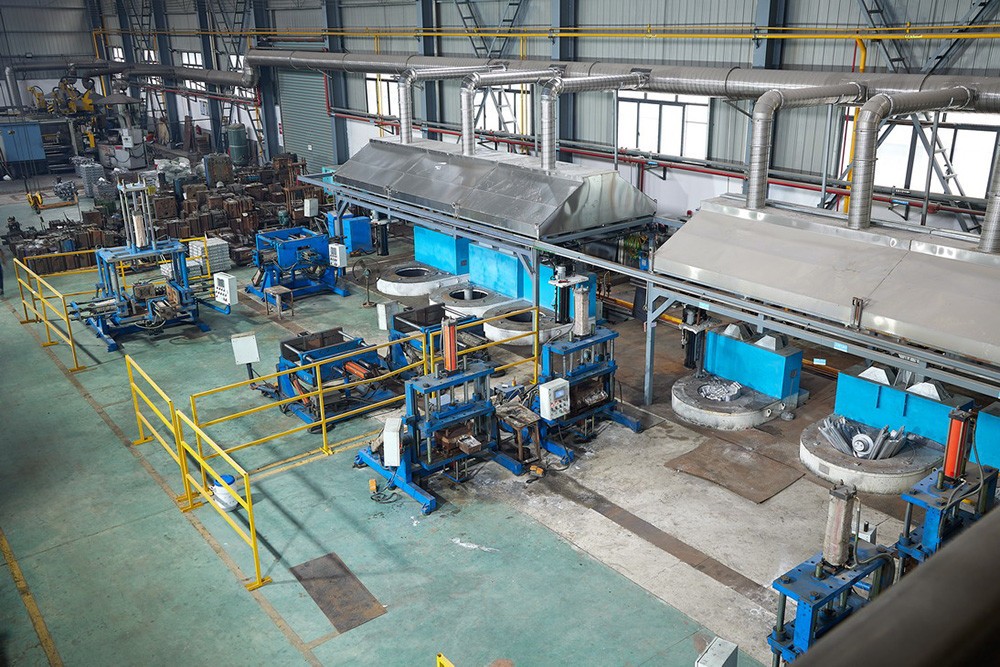
Dongrun Casting has 20000 square meters of facility houses and 200 production & test equipment, From quotation and tooling design to casting and finished machining, we can work with you at every stage. We serve a wide range of industries-from Fortune 500 corporations to small and midsize OEMs. Our products include Automotive&trucking, Electric Utility & Communications, Metering Systems, the Hydraulic Industry, Medical Devices, Lighting, Fuel and Gas Pressure, and Furniture parts.
More Details: www.dongruncasting.com