
How to Choose a Reliable Aluminum Die Casting Supplier
Selecting the right aluminum die casting supplier is a critical decision that can directly impact product quality, production efficiency, cost control, and long-term supply stability. Whether you are developing automotive components, industrial equipment parts, consumer electronics housings, or custom aluminum components, choosing the right manufacturing partner requires more than simply comparing prices.
Many companies experience delays, quality issues, unexpected costs, or production failures because they select suppliers based only on short-term advantages. A reliable aluminum die casting supplier should provide not only casting capabilities but also engineering support, quality assurance, production stability, and long-term partnership value.
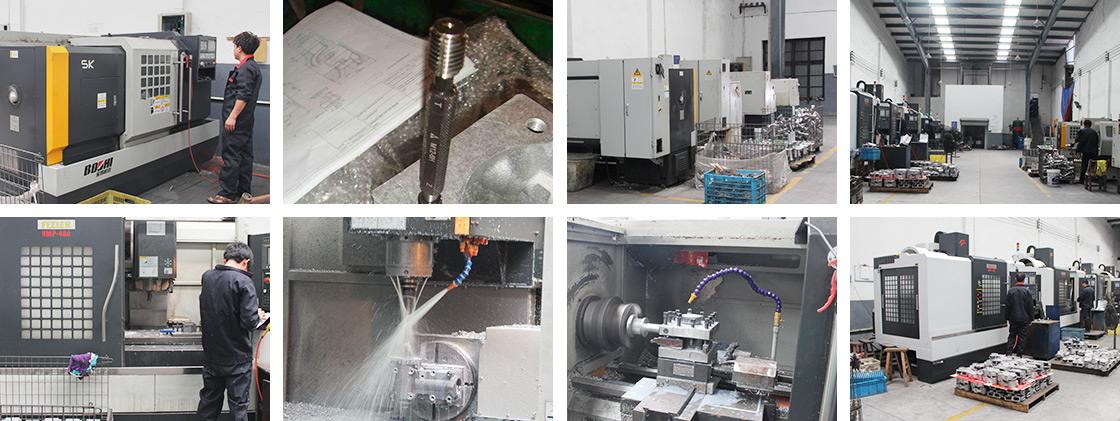
Below are the top 10 factors to consider when evaluating an aluminum die casting manufacturer.
1. Evaluate Industry Experience and Technical Expertise
Experience is one of the most important indicators of a supplier’s reliability. Aluminum die casting is a highly specialized manufacturing process that requires deep knowledge of tooling design, molten metal control, casting parameters, defect prevention, and process optimization.
A supplier with many years of industry experience is better equipped to handle complex part geometries, tight tolerances, thin-wall designs, and high-volume production requirements. Experienced manufacturers understand how to optimize injection speed, pressure, temperature, cooling cycles, and mold design to achieve consistent results.
When evaluating a supplier, consider:
Years of experience in aluminum die casting
Industries served, such as automotive, aerospace, electronics, or industrial equipment
Experience with similar products or applications
Track record of successful projects and long-term customers
A proven supplier can identify potential problems early, reduce development risks, and provide practical solutions based on real production experience.
2. Check Manufacturing Capabilities and Production Equipment
A reliable die casting supplier should have comprehensive manufacturing capabilities supported by advanced equipment. The ability to control the entire production process in-house helps ensure better quality, shorter lead times, and improved cost efficiency.
Important capabilities include:
Aluminum die casting machines with suitable tonnage ranges
Mold design and tooling development
CNC machining and precision finishing
Surface treatments such as powder coating, anodizing, polishing, or painting
Assembly and packaging services
In-house capabilities are especially valuable because they reduce dependence on multiple external suppliers and improve communication between different production stages.
A supplier should also have the ability to produce parts in different sizes, weights, and levels of complexity. Before cooperation, confirm whether their equipment can meet your product specifications and future production requirements.
3. Confirm Aluminum Alloy Knowledge and Material Expertise
Different applications require different aluminum alloys. Choosing the correct material directly affects product strength, durability, corrosion resistance, weight, and overall performance.
Common aluminum die casting alloys include:
A380: Excellent balance of strength, corrosion resistance, and casting performance; widely used for automotive and industrial components.
ADC12: Popular in Asia due to good fluidity, dimensional stability, and cost efficiency.
A356: Provides higher strength and corrosion resistance for applications requiring improved mechanical properties.
6061 aluminum: Known for excellent strength and machining performance in applications requiring additional processing.
A professional supplier should understand the characteristics of different alloys and recommend the most suitable material based on your requirements, including:
Mechanical strength
Operating environment
Weight limitations
Heat resistance
Surface finishing requirements
Cost targets
Strong material expertise helps prevent performance issues and ensures the final product meets application expectations.
4. Review Quality Control Systems and Inspection Procedures
Quality consistency is essential for aluminum die casting production. A reliable supplier should have a comprehensive quality management system covering every stage, from raw materials to final shipment.
Key quality control processes may include:
Incoming material inspection
Mold and tooling verification
Dimensional inspection using CMM equipment
X-ray inspection for internal defects
Leak testing for sealed components
Surface quality inspection
Mechanical property testing
Process monitoring and traceability
Common die casting defects such as porosity, shrinkage, cold shuts, cracks, and dimensional variations must be carefully controlled through optimized processes and continuous inspection.
Before selecting a supplier, ask about their inspection standards, defect management procedures, and corrective action systems.
5. Verify Certifications and Industry Standards
Certifications demonstrate that a supplier follows structured manufacturing and quality management procedures.
Important certifications may include:
ISO 9001: Quality management system certification
IATF 16949: Automotive quality management standard
Industry-specific certifications depending on application requirements
Certified suppliers typically have documented procedures for production control, employee training, inspection processes, and continuous improvement.
However, certifications should not be the only evaluation criteria. A good supplier should combine certifications with practical manufacturing experience, strong engineering capability, and proven production performance.
6. Assess Engineering Support and Design Assistance
A reliable die casting partner should provide engineering support throughout the product development process, not just manufacture parts according to drawings.
Professional engineering services may include:
Design for Manufacturing (DFM) analysis
Mold flow simulation
Tooling optimization
Prototype development
Structural improvement suggestions
Cost reduction recommendations
Experienced engineers can identify design issues before production begins, such as:
Uneven wall thickness
Poor draft angles
Potential shrinkage areas
Difficult machining requirements
Weak structural points
Early engineering involvement can significantly reduce tooling costs, shorten development cycles, and improve final product quality.
7. Review Production Capacity and Delivery Capability
Production capacity is an important factor when selecting a long-term manufacturing partner. A supplier should have sufficient equipment, workforce, and production management systems to meet your current and future demand.
Evaluate:
Monthly production capacity
Available machine capacity
Lead times
Workforce stability
Supply chain management
Ability to support urgent or increased orders
A supplier with stable production planning can help prevent delays and maintain consistent delivery schedules.
It is also beneficial to understand whether the company has dedicated production facilities for different processes or alloy families. Proper facility management reduces risks such as material contamination and production interruptions.
8. Understand Defect Prevention and Problem-Solving Ability
Even experienced manufacturers may encounter production challenges. The difference between an average supplier and an excellent supplier is how effectively they identify and solve problems.
Ask potential suppliers about their methods for controlling:
Porosity
Shrinkage defects
Surface imperfections
Cracking
Dimensional inconsistency
Strong manufacturers use:
Process optimization
Root cause analysis
Preventive action systems
Continuous improvement programs
A supplier with strong problem-solving capabilities can quickly address issues and maintain stable production quality.
9. Request Prototypes and Validate Product Quality
Before moving into mass production, prototype evaluation is essential. A reliable supplier should support prototype production and provide samples for testing and approval.
Prototype validation may include:
Dimensional inspection
Functional testing
Assembly verification
Surface finish evaluation
Performance testing
Some suppliers offer rapid prototyping, low-volume trial production, and in-house machining, allowing customers to verify designs before investing in expensive production tooling.
This approach reduces development risks and ensures that final production meets customer expectations.
10. Consider Communication, Service, and Long-Term Partnership
A successful manufacturing relationship depends not only on technical capability but also on communication and service quality.
A reliable supplier should provide:
Fast and clear communication
Transparent project updates
Professional technical support
Accurate quotations
Reliable delivery schedules
Effective after-sales service
Cost is an important consideration, but the lowest price does not always represent the best value. A supplier offering competitive pricing combined with stable quality, engineering support, and reliable delivery can create greater long-term benefits.
Choosing a manufacturing partner should be viewed as a strategic decision. The right aluminum die casting supplier can help improve product design, reduce manufacturing costs, accelerate market launch, and provide long-term supply security.
Key Takeaways
When selecting an aluminum die casting supplier, focus on more than production price. A reliable partner should have:
✔ Extensive industry experience
✔ Advanced manufacturing capabilities
✔ Strong aluminum alloy expertise
✔ Strict quality control systems
✔ Recognized certifications
✔ Professional engineering support
✔ Stable production capacity
✔ Effective defect prevention methods
✔ Prototype and testing capabilities
✔ Strong communication and partnership commitment
By carefully evaluating these factors, companies can choose a dependable aluminum die casting supplier that delivers consistent quality, competitive costs, and long-term manufacturing success
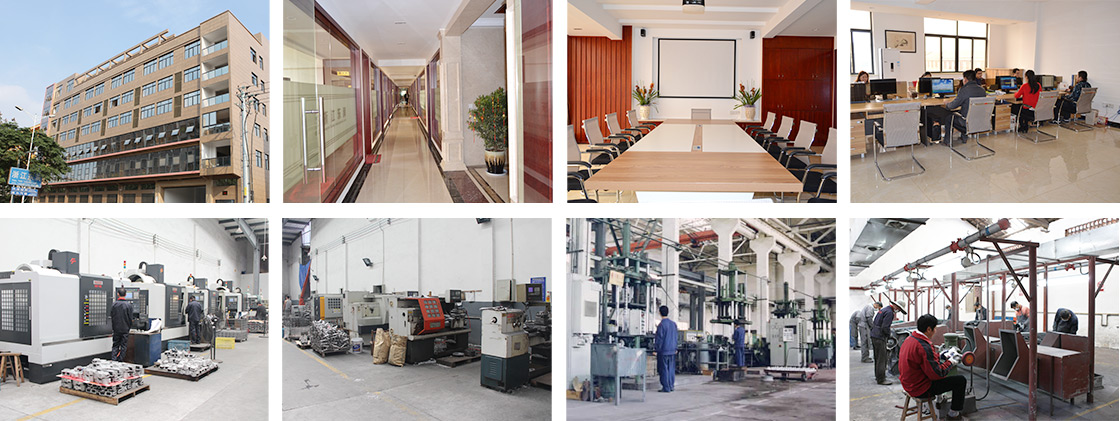
Dongrun Casting has 20000 square meters of facility houses and 200 production & test equipment, From quotation and tooling design to casting and finished machining, we can work with you at every stage. We serve a wide range of industries-from Fortune 500 corporations to small and midsize OEMs. Our products include Automotive&trucking, Electric Utility & Communications, Metering Systems, the Hydraulic Industry, Medical Devices, Lighting, Fuel and Gas Pressure, and Furniture parts.
More Details: www.dongruncasting.com