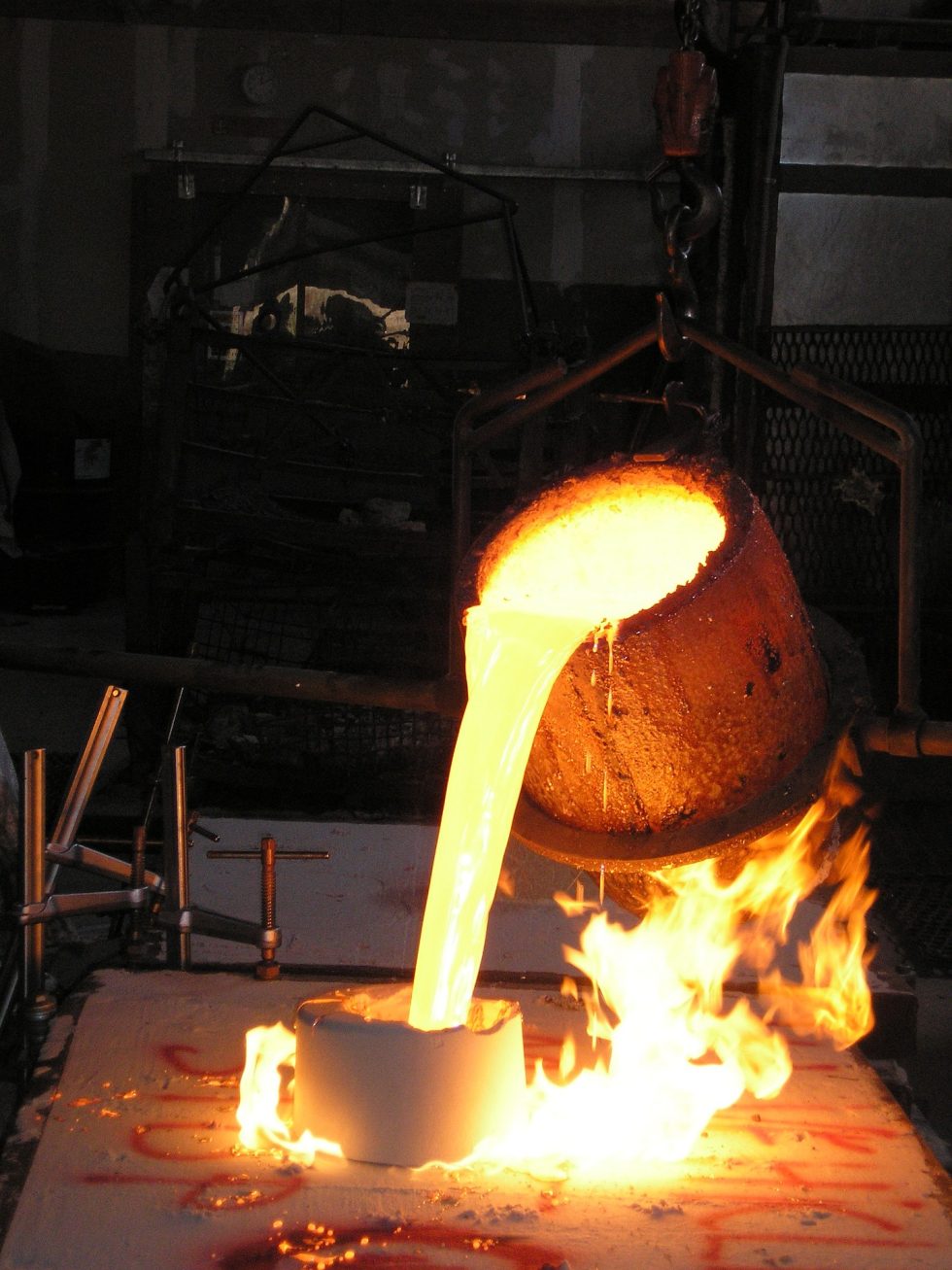
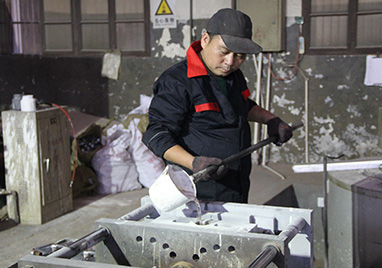
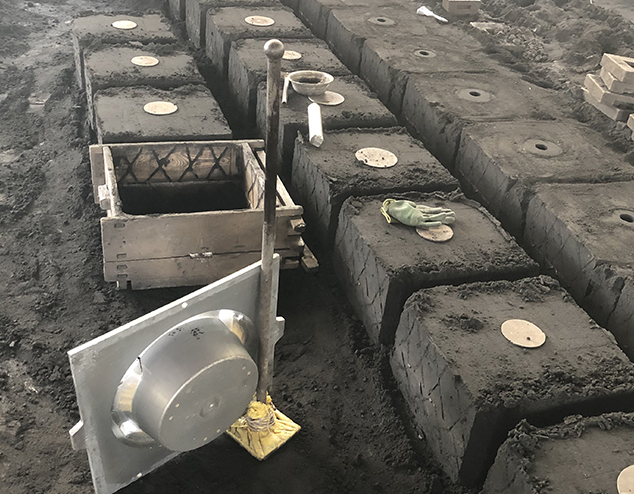
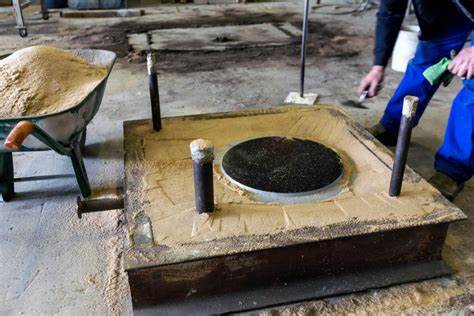
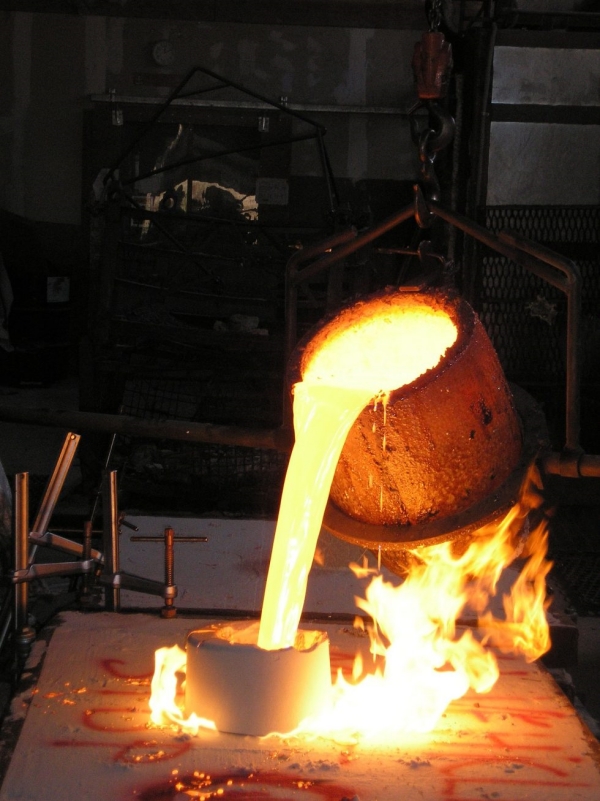
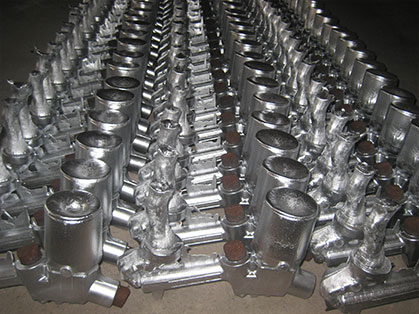
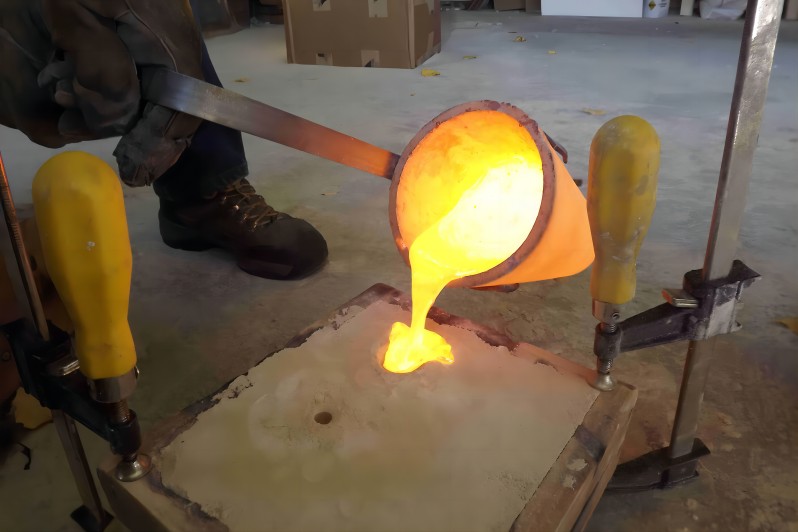
There are many kinds of casting processes, each of which has its own advantages and is suitable for processing in different fields. Therefore, everyone must be careful when selecting the casting proc…
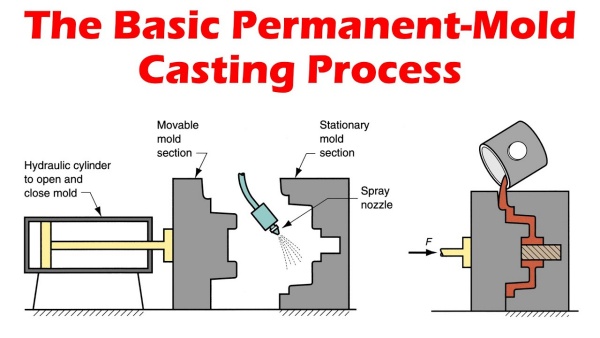
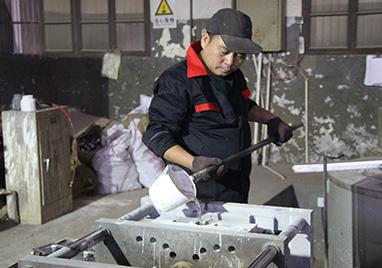
Gravity die casting, also known as permanent mold casting, is a metal casting process where molten metal is poured into a reusable mold under the influence of gravity. This method offers several adva…
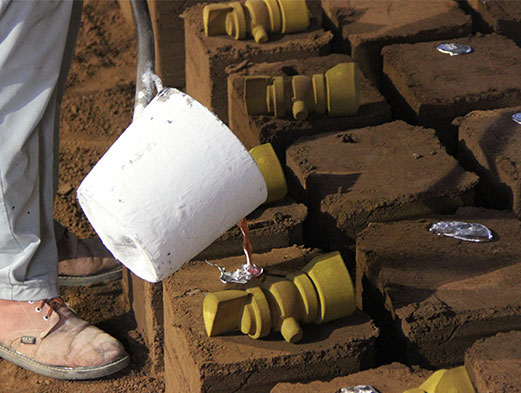
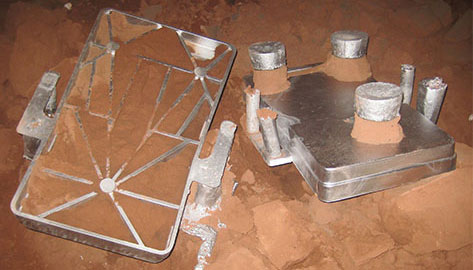
Sand casting, a traditional method in foundry production, utilizes sand as the primary modeling material for mold preparation. It offers significant advantages, such as flexibility in part shape, siz…
Sand casting is a versatile and widely used casting process in the automotive industry. It is suitable for producing a variety of automotive components, particularly those that are large, complex, or…
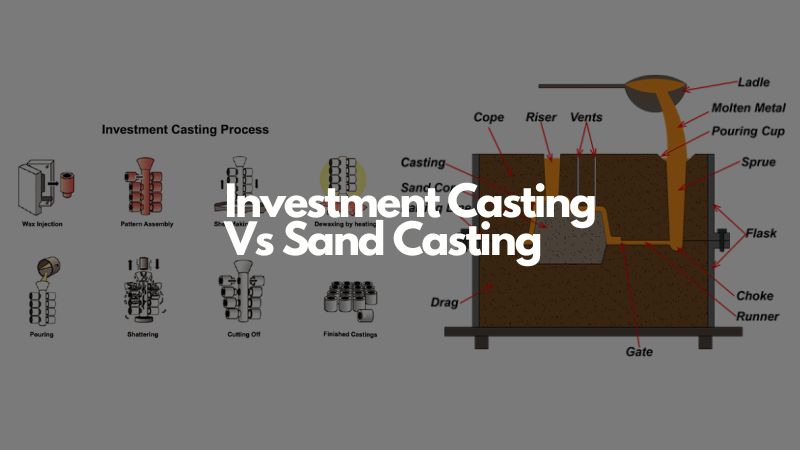
Metal casting methods play a crucial role in producing diverse components, and two prominent techniques are investment casting and sand casting. Each method offers unique advantages, making them suit…
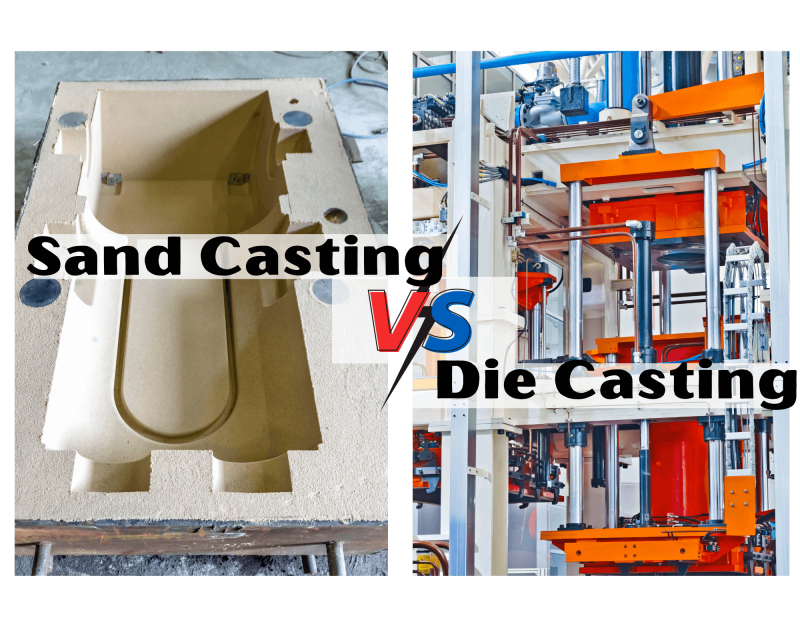
In the realm of metal manufacturing, two prominent techniques, die casting and sand casting, play pivotal roles in shaping a diverse array of products. While both methods contribute to the creation o…
Green sand casting is a foundry process that utilizes a mold made from green sand, a mixture of sand and cement. Contrary to its name, the term "green" does not refer to the color but signifies that …
Sand casting, a method with roots dating back to 1000 BC, remains one of the oldest and most versatile metal casting processes. This technique utilizes expendable sand molds to create intricate metal…
Permanent Mold Casting is a manufacturing process that involves pouring molten metal into a reusable metal mold, typically made from steel or cast iron, to produce various metal components. The term …
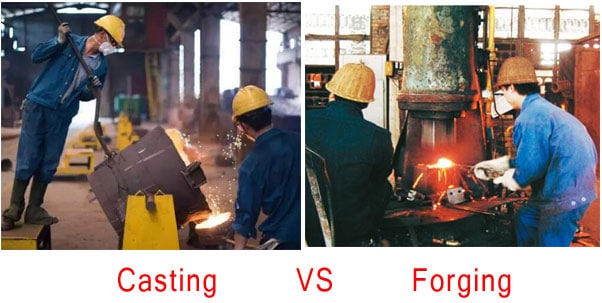
In the realm of metal component manufacturing, two prominent methods stand out: casting and forging. These processes hold distinct advantages and are selected based on the intended use and requiremen…
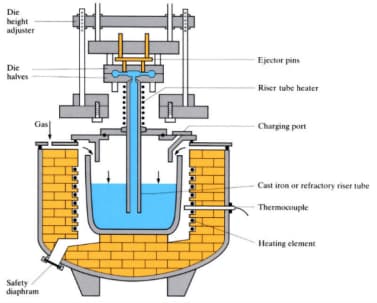
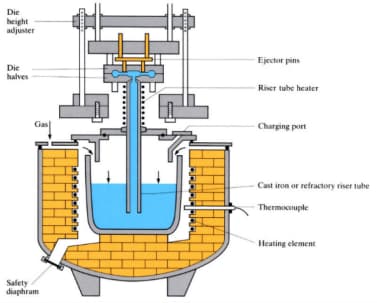
Low-pressure die casting is an advanced manufacturing technique that involves injecting molten material into a die-cast under precisely controlled low-pressure conditions, offering numerous advantage…
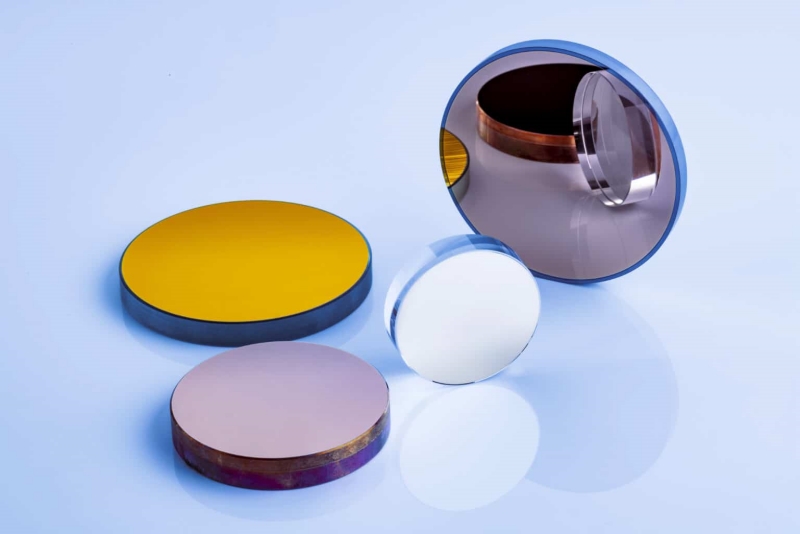
The processing technology of aluminum alloy die-casting mirror glass generally requires two requirements: the plate itself must achieve the mirror glass effect;the surface air oxide film of the casti…
The choice of sand casting sand depends on various factors, including the type of metal being cast, the complexity of the part, budget constraints, and specific foundry preferences. Here's a general …
Casting has become a pivotal process in modern manufacturing, serving a wide array of industries and touching the lives of countless people through its products. This method grants manufacturers the …
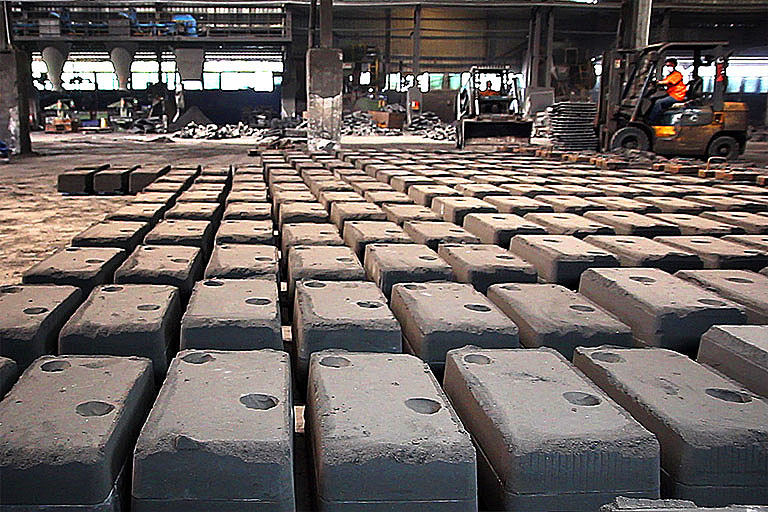
Sand casting is one of the most common casting processes because the molding materials used in sand casting are cheaper and very readily available; the molds are simple to manufacture, and they can b…
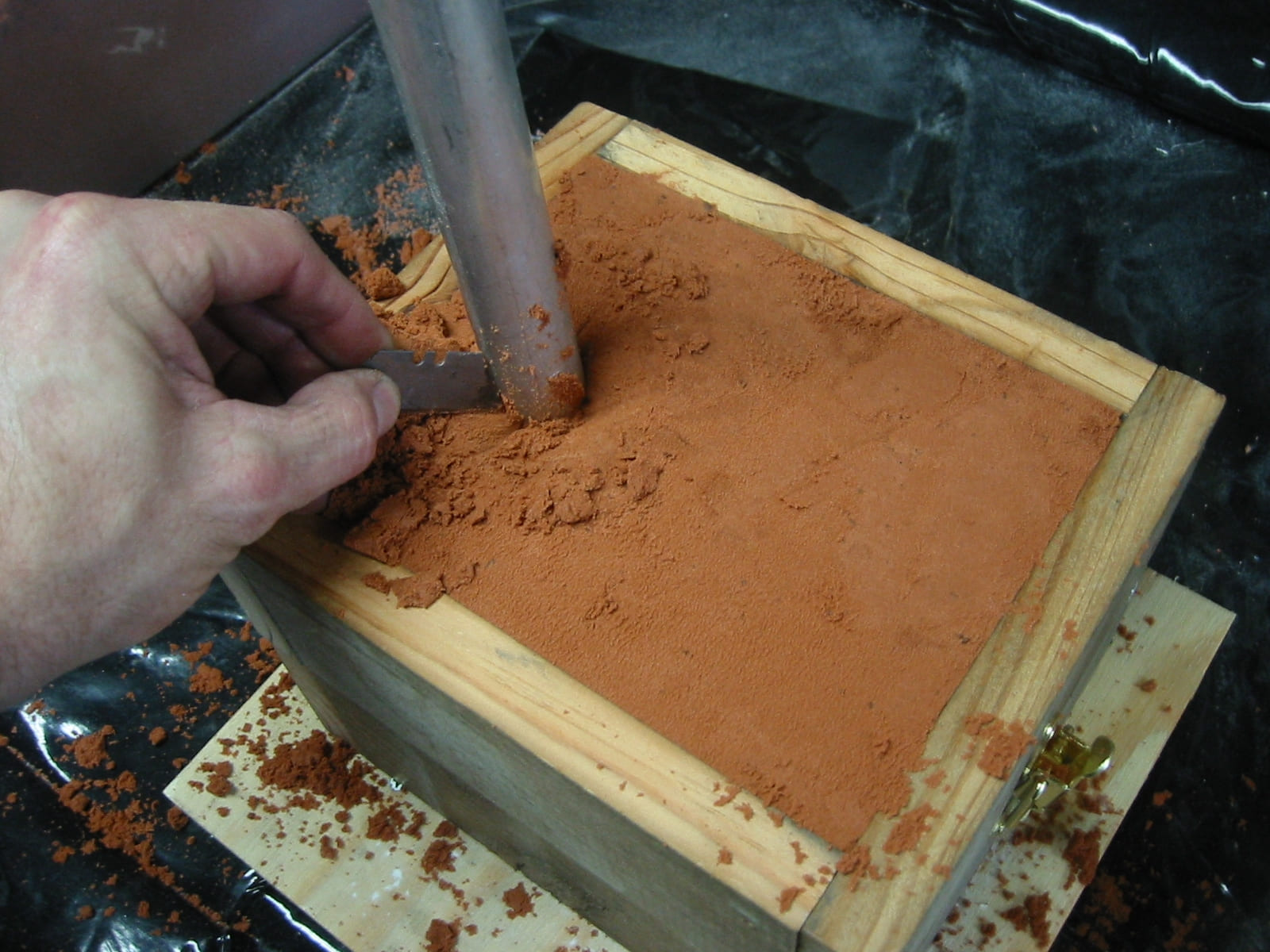
Sand casting is a process used to create metal objects by pouring molten metal into a sand mold. It's a widely used method for producing various metal parts and components. Here's a basic overview of…
When it comes to sand casting design considerations, it's crucial to know what the casting will be used for, as well as any further processes it will have to go through after it's poured. If a castin…
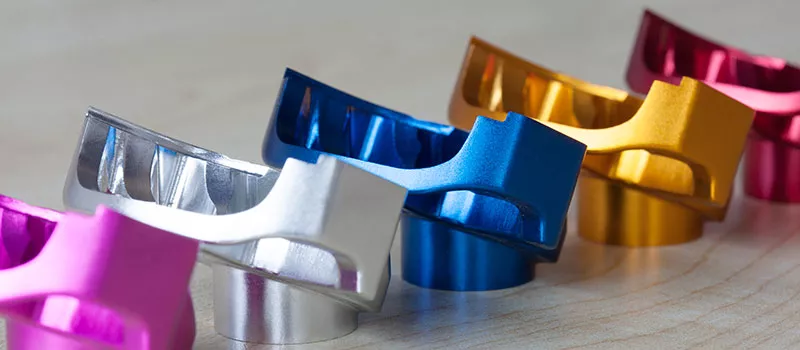
Anodized aluminum stands as a remarkable variant of aluminum, fortified through a meticulous chemical treatment process to produce an immensely resilient surface. Crafted via an electrochemical me…
Gravity die casting and sand casting are two different methods used for producing aluminum parts. Each method has its own advantages and disadvantages, and the choice between the two depends on facto…
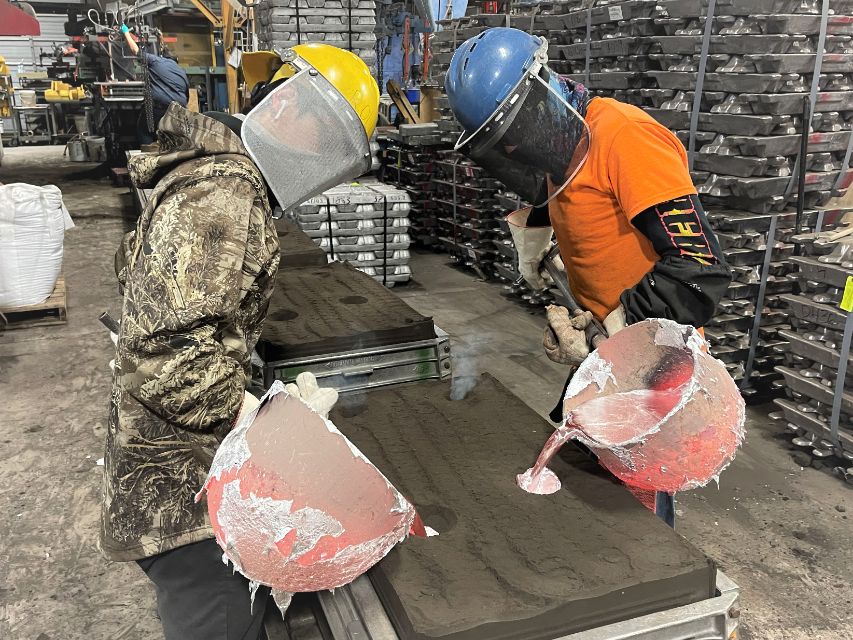
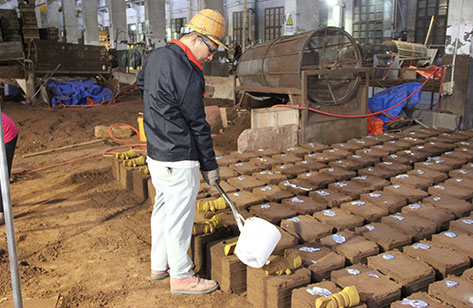
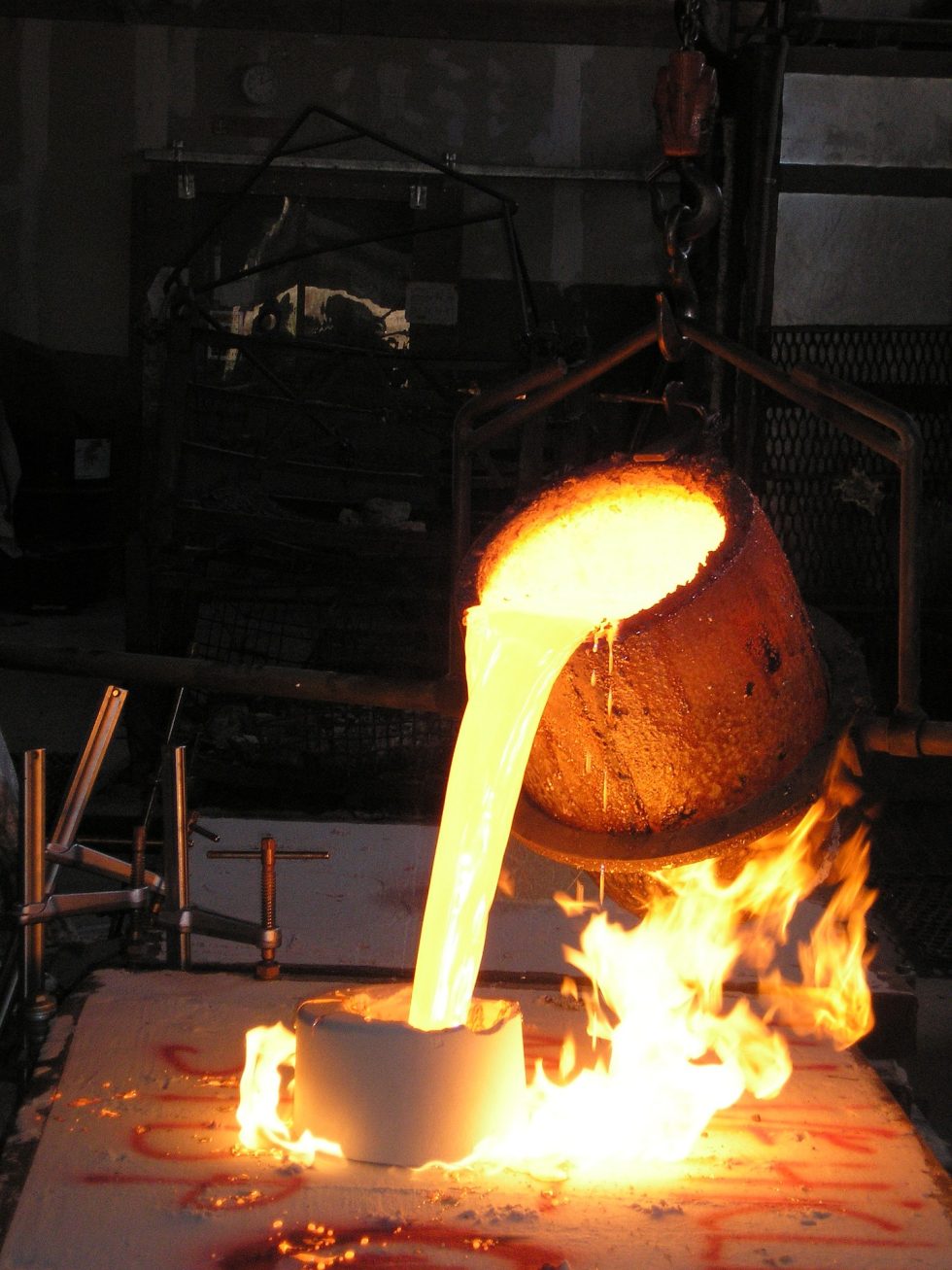
Sand casting is a manufacturing process in which molten metal is poured into a sand mold containing a hollow cavity of the desired shape. After a period of time, the casting cools and solidifies. The…
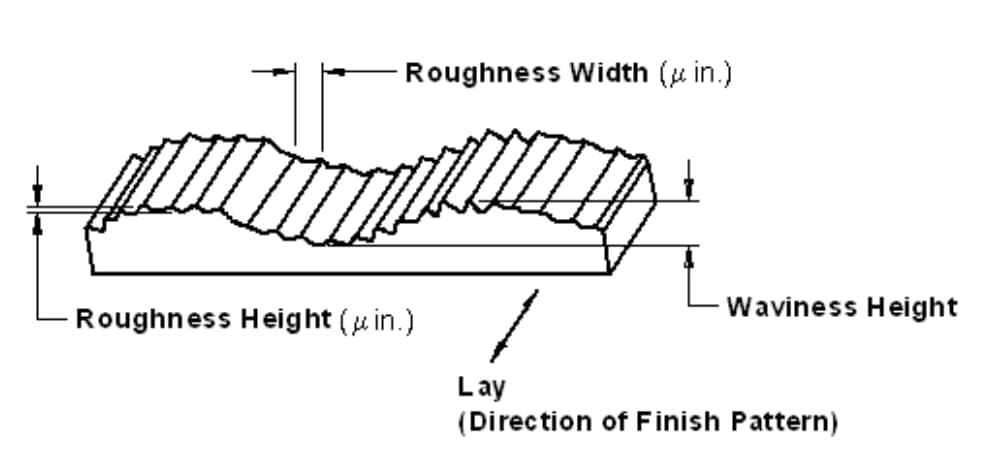
Surfaces in manufacturing applications must remain within desired roughness limits to ensure the optimum quality of parts. Surface finishing has a crucial impact on the durability and performance of …
Low-pressure and high-pressure die casting are two distinct casting processes used to manufacture metal parts, typically made from aluminum, magnesium, or zinc. Both methods involve injecting molten …
Casting is creating various metallic equipment from the molten form of the same metal. The most famous methods are die casting and sand casting. While considering the requirements, there is always…
If your project design requires an aluminum part, it is crucial to determine the manufacturing process to utilize to produce it. Among the numerous methods for forming aluminum and alloys, aluminum …